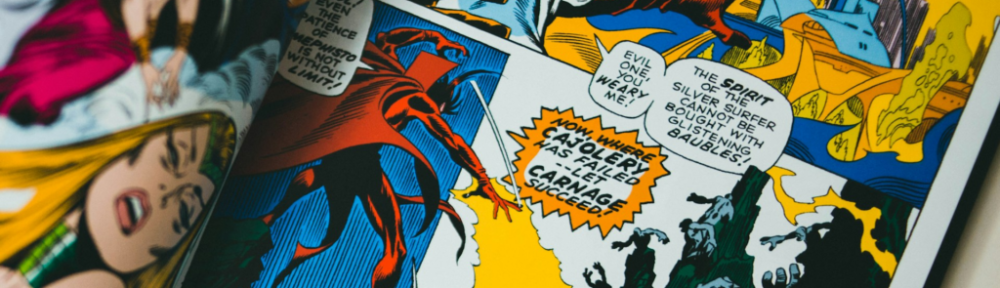
Think about the last comic book villain who really caught your attention. Maybe they had incredible powers, a frightening costume, or a plan to take over the world. But was that enough to make them interesting? The villains you remember often have something deeper going on beneath their masks.
Great comic book villains aren’t simply evil for the sake of being evil. They have fears, goals, and personal beliefs that shape their decisions. Sometimes, you can even understand why they act the way they do, despite disagreeing with their choices. That’s what makes exploring villain psychology so much fun!
Why Do Some Comic Book Villains Feel So Real?
A believable villain needs a reason to act. It could be anger, jealousy, fear, or a desire to protect someone. These feelings are familiar because you’ve probably experienced them yourself. The difference is how the villain responds to those emotions.
Take Magneto from Marvel’s X-Men comics. His past as a Holocaust survivor helps explain why he fears persecution and wants to protect mutants. His goal may seem understandable, but his methods can put innocent people in danger. That conflict between understandable motives and harmful choices makes him a fascinating character.
You don’t have to agree with a villain to understand them. In fact, that difference is often what makes the story interesting. You might recognize their pain even as you want the hero to stop them. A strong antagonist gives you something to think about after you’ve finished reading.
Exploring Villain Psychology While Managing College Assignments
If you’re studying literature, psychology, or comic book storytelling, examining a villain’s behavior can become a fascinating research project. You might spend hours comparing comic issues and exploring character backgrounds while your essays and other assignments pile up. Before you know it, you’ve spent the whole evening reading about Batman’s enemies instead of finishing your coursework!
When deadlines become difficult to manage, you might find yourself asking, “Can I pay someone to write a paper for me?” EssayPro offers academic writing support that you can explore for help with research planning, essay organization, and feedback on your own drafts.
With a clearer plan for your coursework, you can make more time to explore the psychology behind your favorite characters.

How Fear, Pride, and Control Shape Famous Villains
Different villains are driven by different emotions. Some fear losing the people they love, while others can’t accept being seen as weak. Understanding those feelings helps you see why certain characters make the same mistakes again and again. Their powers may be fictional, but their motivations often feel familiar:
| Comic Book Villain | Main Motivation | Psychological Conflict |
|---|---|---|
| Magneto | Protecting mutants | Fear of persecution leads to extreme choices |
| Doctor Doom | Power and recognition | Pride makes it difficult to accept failure |
| Mr. Freeze | Saving his wife | Love becomes tied to harmful decisions |
| Two-Face | Justice and chance | Personal trauma changes his view of fairness |
| Poison Ivy | Protecting plant life | Her goals can clash with concern for human lives |
These characters aren’t all written the same way in every comic series. Different writers explore different parts of their personalities, and their goals sometimes change. That’s one reason comic book villains can remain interesting for decades. There are always new sides of a familiar character to explore.
The Best Villains Challenge the Hero’s Values
A strong antagonist does more than create physical danger. They force the hero to make difficult choices and question personal beliefs. Think about the relationship between Batman and the Joker. The Joker often tries to challenge Batman’s sense of order and his belief in moral limits.
That makes their conflict interesting even when you already know Batman will probably win. The real question becomes how far the hero will go to stop the villain. Will they break their own rules or find another solution? A good villain pushes the hero into situations where those answers aren’t easy.
How to Create a Believable Comic Book Antagonist
If you’re interested in writing comics, studying famous villains is a great way to learn. You don’t need to copy their powers or dramatic backgrounds. Start by thinking about an ordinary human problem and imagine how someone might respond to it in an extreme way. Then build a character whose choices follow a clear pattern.
Here are a few questions to ask:
- What does the villain want? Give them a clear goal that matters to them.
- What are they afraid of? Fear can explain why they make extreme choices.
- What do they believe? Let them justify their decisions in their own mind.
- What are their limits? Decide whether there’s something they refuse to do.
- How do they challenge the hero? Create a conflict that goes beyond physical strength.
Academic writing expert Adam Jason’s field offers a useful lesson for character analysis: clear arguments need strong examples. When studying a villain, you can use specific scenes to explain their motivations rather than simply calling them evil. You can also compare how their behavior changes throughout a story. This makes your analysis more interesting and helps you understand how writers develop complex characters.

Why Perfectly Evil Villains Can Still Work
Of course, not every villain needs a tragic childhood or a sympathetic goal. Some characters are frightening because their motives remain unclear. A mysterious enemy can create tension by making readers wonder what they’ll do next. That approach can work well in horror comics and darker superhero stories.
The important thing is consistency within the story. A villain doesn’t need to explain every decision, but their actions should make sense in the world the writer has created. Readers need enough information to understand the danger and why it matters. Sometimes, mystery can be just as powerful as a detailed backstory.
What Makes a Villain Truly Memorable?
The best comic book villains stay with you because they feel like more than obstacles for the hero. Their fears, beliefs, and personal struggles make their choices interesting, even when those choices are terrible. You might recognize a small part of yourself in their emotions without agreeing with their actions. That human connection gives their stories real power.
Next time you pick up a comic, pay attention to what the villain wants and why they want it. Look at how their past affects their decisions and how they challenge the hero. You may discover that the most interesting part of the story isn’t the final battle at all. It’s the psychology behind the person who made that battle happen!
Powered by WPeMatico