WEPAAAA! Fam, Garth Ennis and John McCrea just took one of the slowest creatures on the planet and turned it into the kind of nightmare that makes you inspect your backyard with a damn flashlight. The Snail comes rolling through Image Comics’ Ninth Circle line with its tongue planted firmly in its cheek and something considerably nastier planted in somebody’s face. This is gross-out horror with a mean streak, an appetite for absurdity, and enough bodily fluids to make the cleanup crew demand hazard pay. Brooklyn taught me plenty, mi gente, but nobody warned me about THIS.
The opening throws us into a grimy confrontation and establishes the rules quickly: this creature isn’t some cute garden visitor, and its relationship with humanity is decidedly one-sided. Ennis knows how to get a reaction without spending six pages explaining the joke. The violence lands hard, the dialogue has that trademark foul-mouthed snap, and the book keeps moving. Then it widens its scope beyond one unfortunate encounter, bringing in the sort of ambitious, self-interested people who always think they can manage something monstrous. Fam, that’s usually when the bill comes due.

There’s a wonderfully nasty contrast between the snail’s biological simplicity and the complicated nonsense people build around it. Characters talk, scheme, posture, and try to impose their own agendas, while this revolting little force of nature keeps reminding everybody that flesh is fragile. The story jumps between intimate horror and larger public consequences, including the spectacle of people trying to explain away things that are plainly out of control. Ennis has always enjoyed skewering institutions and human vanity. Here he gets to do it with slime, teeth, and a truly disrespectful amount of gore.
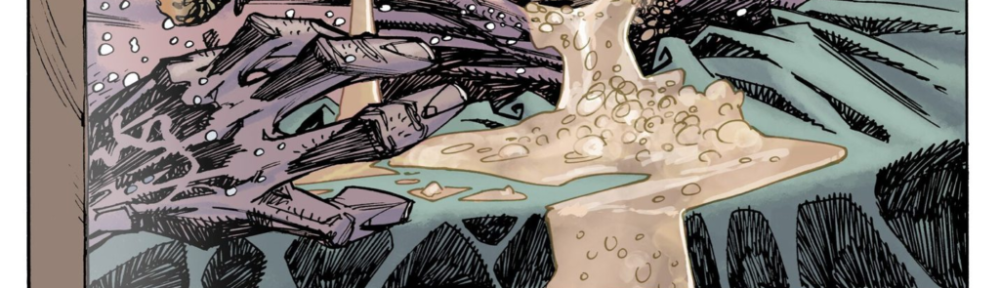
Now let’s talk about John McCrea, because, coño, this man understands the assignment. His faces are all over the place in the best possible way: suspicious squints, panicked eyes, ugly sneers, and expressions that go from everyday irritation to full-blown existential terror in a heartbeat. McCrea gives the humans enough personality to make their reactions funny before making those same reactions horrifying. When the creature takes center stage, the anatomy turns repulsive and oddly fascinating. The shell, the feelers, the slick organic textures, the way it occupies a panel: you can practically hear somebody gagging from the next room.
The page design deserves love, too. McCrea can keep a conversation readable with straightforward panel-to-panel staging, then suddenly punch through that rhythm with a savage image that demands your attention. Big grotesque compositions interrupt the chatter at precisely the right moments. There’s also an effective sense of scale as the book moves from cramped interiors to larger, more chaotic spaces. The violence isn’t simply there to decorate the page. It punctuates the joke, escalates the danger, and makes every supposedly sensible response look a little more ridiculous.

Jack Davies’ colors are doing serious work in this madhouse. Muted interiors and recognizable urban environments give the early scenes a lived-in texture, while lurid pinks, angry reds, sickly flesh tones, and sudden splashes of brighter color announce when the situation has gone completely sideways. The palette lets McCrea’s heavy expressions and organic detail breathe without sanding off the ugliness. This book should feel sticky. Somehow, it does. That’s a compliment, Jack, even if it sounds like the worst endorsement ever printed on a comic.
Rob Steen’s lettering is another piece of the machinery that shouldn’t get lost in the slime. The conversations remain easy to follow, even when Ennis packs a panel with argumentative dialogue, and the changes in emphasis help distinguish human bluster from the more unsettling presence of the creature. The lettering and balloon placement support the comedic timing instead of fighting the artwork. That’s essential for a comic where a tiny shift between a punchline and a grisly reveal can make the difference between laughing and wincing.

Is every beat subtle? Please. This is Garth Ennis writing a horror comic called The Snail, not somebody whispering poetry into a seashell. The grotesquerie is deliberately excessive, and a few stretches of exposition slow the mayhem while the larger machinery of the plot gets arranged. Readers who want restrained psychological dread might bounce off the outrageous tone. Still, the escalation has purpose. What begins as a bizarre creature feature becomes a more expansive satire about appetite, power, spectacle, and humanity’s spectacular talent for making a bad situation worse.
By the final pages, the comic has committed to its own ridiculous nightmare without apologizing for a damn thing. I respect that. Ennis and McCrea have the kind of creative chemistry that allows a story to be disgusting, funny, and genuinely energetic at the same time. The Snail isn’t trying to be respectable horror. It’s trying to crawl under your skin, crack a nasty joke, and leave a trail across your favorite shirt. Mission accomplished, mi gente.
Crusaders Score:
4/5
Garth Ennis (writer)
John McCrea (artist)
Jack Davies (colorist)
Rob Steen (letterer)
Joe Pruett (editor)
Published by Image Comics / Ninth Circle.
Powered by WPeMatico